Ten Chilling Rituals Still Practiced in Remote Parts of India
India’s remote corners hide some seriously unsettling traditions that have survived for centuries. In isolated Himalayan villages, dense Northeast forests, and tribal pockets of central India, these rituals blend faith, fear, and the supernatural in ways that’ll make your skin crawl. They’re not tourist shows—they’re lived beliefs, often involving blood, spirits, or life-or-death risks. Here’s a no-BS look at 10 that are still happening today.
10. Mukka Sendra – The Women-Only Hunt of the Oraon Tribe Every 12 years, Oraon women in the remote hills of Jharkhand, Chhattisgarh, and Odisha turn into hunters. Dressed as men, armed with bows, arrows, and spears, they head into the forest while the men stay home. It’s called Jani Shikar or Mukka Sendra—a raw celebration of female strength and a plea to the spirits for good harvests. The ritual kicks off at dawn with priestly blessings at the village akhara. Locals say breaking the all-women rule brings disaster. It’s equal parts empowering and eerie: imagine an entire village of women vanishing into the woods for a hunt that feels half celebration, half ancient pact with the unknown.

9. Kodaku Tribe Witchcraft and Exorcism Deep in Chhattisgarh’s tribal belts, the Kodaku people still turn to ojhas, guniyas, and bajhas—local tantriks—for everything from illness to bad luck. They believe evil spirits or witches cause misfortune, so exorcisms involve mantras, sacrifices, and sometimes physical rituals to drive out the darkness. It’s not folklore from the past; families still consult these practitioners when modern medicine fails. The air of secrecy and fear around “supernatural abilities” makes everyday village life feel like it’s one bad omen away from a full-blown spirit battle.
8. Mayong’s Tantric Healing Rituals In Assam’s tiny Mayong village—long called India’s “black magic capital”—ancient mantras and healing spells are still quietly passed down through families. While full-on “disappear into thin air” sorcery is mostly legend now, ojhas (healers) use old tantric rituals, herbs, and chants to cure the sick or protect against evil. The village museum keeps the manuscripts, but some locals still practice the “white magic” side for real problems. Walking those quiet lanes at dusk, you can’t help but feel the weight of centuries of secret knowledge lingering in the air.
7. Koya Tribe’s Shadow Spirit Ritual (Nayaki Sampradayam) In the thick forests of the Godavari Valley across Andhra, Telangana, and Chhattisgarh, the Koya people believe every person has a “shadow spirit” or nayaki that can wander off or get trapped by dark forces. When someone gets mysteriously ill or cursed with bad luck, the shaman performs a nighttime ritual around a sacred fire: chanting, drawing rice-flour symbols, entering a trance, and negotiating with the spirit world to bring the shadow back. A talisman of hair, turmeric, and herbs seals the deal. It’s raw, intimate, and straight out of a ghost story.
6. Galo Shamanic Night Chants Arunachal Pradesh’s Galo tribe calls on nyibu shamans when sickness or disaster hits. The entire village gathers for all-night rituals full of epic chants, family histories, spirit negotiations, dancing, and animal sacrifices. The shaman recites ancient verses to restore cosmic balance and ward off evil. These aren’t quick prayers—they’re marathon sessions under the stars that blend theater, faith, and raw emotion. In the remote hills, it feels like the boundary between this world and the next is paper-thin.
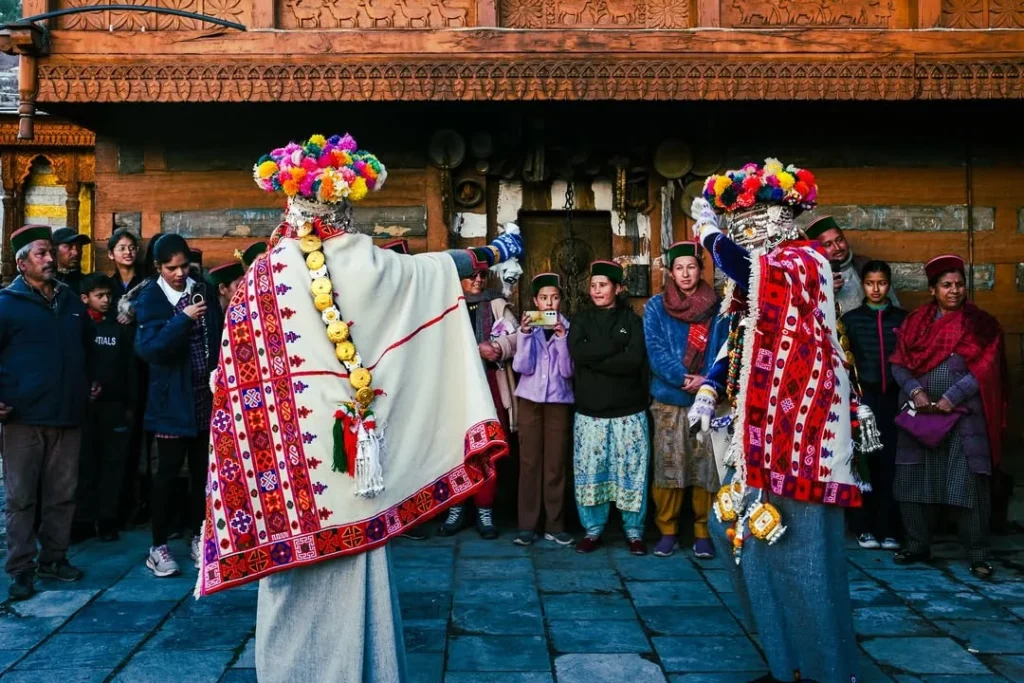
5. Raulane Festival – Farewell to the Mountain Spirits High in Kinnaur’s remote Himalayan villages like Kalpa and Sangla, locals have celebrated the Raulane Festival for what they claim is over 5,000 years. It’s the quiet goodbye to the Sauni mountain spirits who protected the community through winter. Villagers dress in vibrant traditional costumes, perform age-old dances and rituals, and send the spirits on their way until next season. It’s beautiful, communal, and quietly chilling—like the mountains themselves are watching and listening.
4. Dhami Village Stone-Pelting Ritual for Goddess Kali In this small Himachal village, two groups of devotees pelt stones at each other on a set day each year. The blood from cuts and bruises is considered an offering to Kali—essentially a stand-in for the human sacrifice the goddess once demanded. It’s messy, painful, and deeply symbolic. Crowds gather to watch, and the injured wear their wounds like badges of devotion. Even with ropes and safety measures, the raw energy feels ancient and intense.
3. Bagwal Festival Stone-Pelting (Devidhura, Uttarakhand) Every Raksha Bandhan in Champawat’s Devidhura village, four clans face off in a ritual “battle.” They used to hurl actual stones at each other as a blood offering to fierce goddess Varahi (a substitute for human sacrifice). Court orders have mostly turned it into fruits and flowers now, but a few ceremonial stones still fly, and injuries happen. Shields, chants, and pure adrenaline make it feel like stepping back into a time when gods demanded real proof of loyalty.
2. Banni (Banni) Festival Stick Fights At Devaragattu temple in rural Andhra Pradesh, Dussehra night turns into controlled chaos. Thousands of devotees armed with long lathis (sticks) smash each other on the head and body in a massive free-for-all to reenact Lord Shiva’s victory over demons. Blood spilled on the ground is seen as a sacred offering. Injuries and even deaths have happened, yet the faithful keep coming back year after year. The roar of the crowd, the crack of wood on bone, and the belief that it pleases the gods make it one of the most visceral rituals you’ll ever hear about.

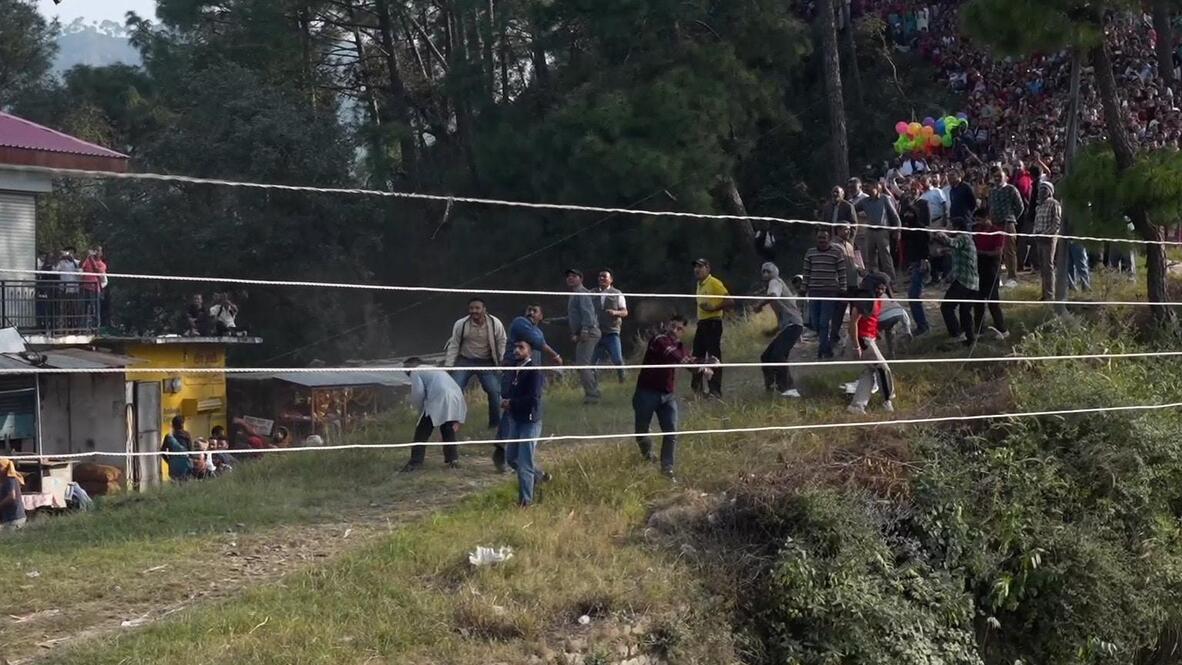
1. Bhunda Festival’s Rope-Slide “Sacrifice” (Nirmand, Himachal Pradesh) Every 12 years in the remote Nirmand region, the Bhunda Maha Yagya reaches its climax with the Bheda—a chosen man who slides down a specially woven rope across a steep valley or river gorge. Legend says it was once a literal human sacrifice to goddess Ambika. If he survives the terrifying descent, he’s showered with riches and the village offers goats instead. If not… well, the goddess has taken her due. The whole event draws huge crowds, but that single rope slide remains a heart-stopping reminder of how thin the line is between ritual and real danger.

These practices aren’t performed for cameras—they’re how these communities stay connected to their ancestors, their land, and forces they believe control their fate. Some are evolving (fewer stones, more symbolism), but the core belief and the chill factor remain. If you ever find yourself in one of these remote spots, tread lightly. The spirits might still be listening.

: